
Supporting a Healthy Immune System: Everyday Habits That Matter

Originally published: 2020 · Last updated: August 2026
Our immune system is a complex network that helps protect the body from infections and other threats.
There is no single food, drink or supplement that can make the immune system "strong" overnight. Instead, maintaining overall health involves a combination of everyday habits — including eating a varied diet, staying physically active, getting enough sleep and practicing good hygiene.
During the COVID-19 pandemic, these topics received renewed attention. The World Health Organization emphasized that healthy diets support normal immune function, while also making clear that no particular food can prevent or cure COVID-19.
Today, these principles remain relevant well beyond the pandemic.
1. Eat a Varied and Nutritious Diet
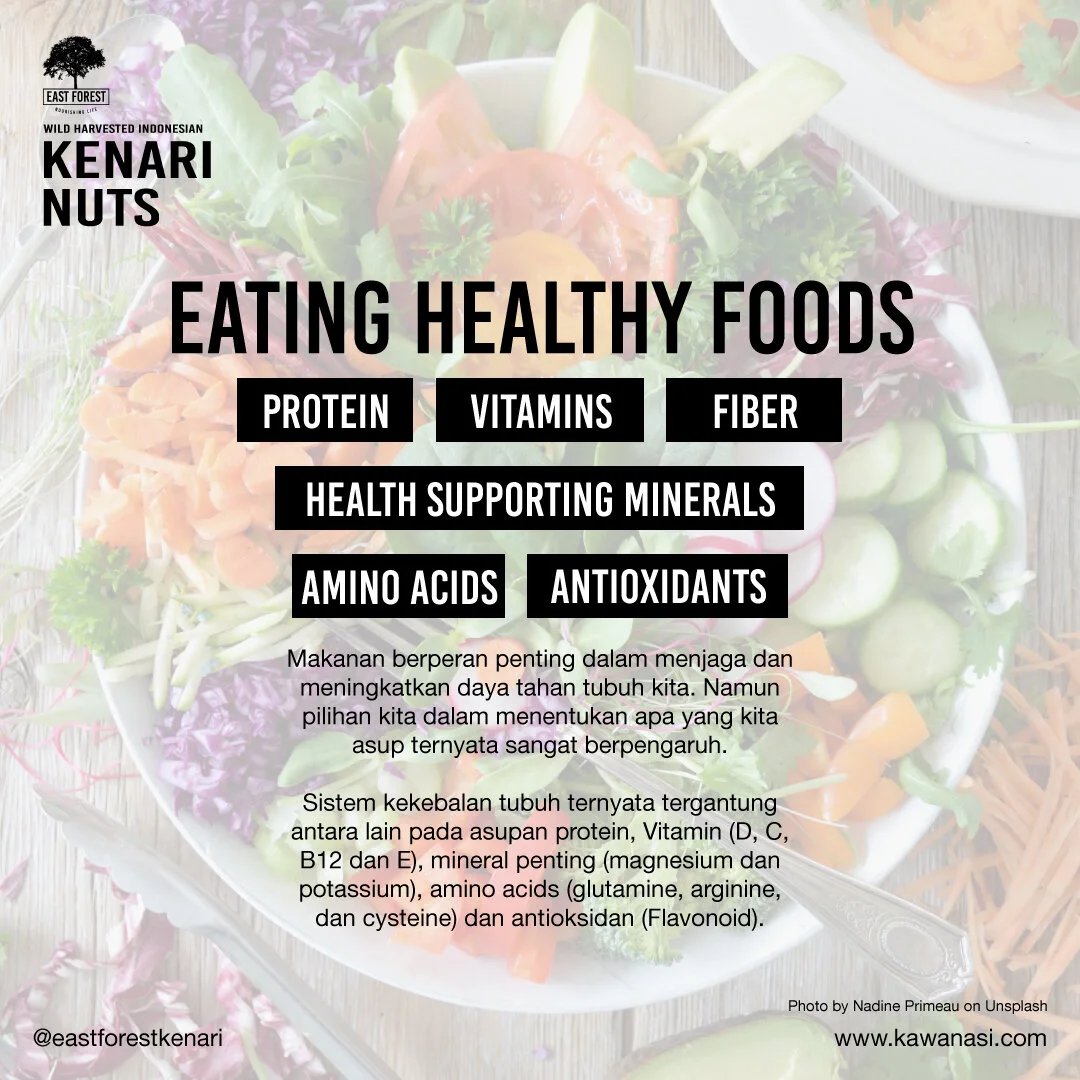
The immune system depends on a range of nutrients.
Rather than focusing on one "superfood," a healthy diet should include a variety of foods that provide protein, vitamins, minerals, dietary fibre and other nutrients.
WHO recommends a diverse diet that includes foods such as:
vegetables and fruits;
whole grains;
legumes;
nuts and seeds; and
appropriate sources of protein.
A varied diet helps provide the nutrients needed for normal body functions, including the normal functioning of the immune system.
Where do nuts fit in?
Nuts can be part of a balanced diet and provide nutrients including protein, fibre, minerals and unsaturated fats.
This is one reason Kenari Nuts are interesting as a food — not because they are a cure or treatment, but because they are a nutrient-containing whole food that can be enjoyed as part of a varied diet.
2. Stay Hydrated
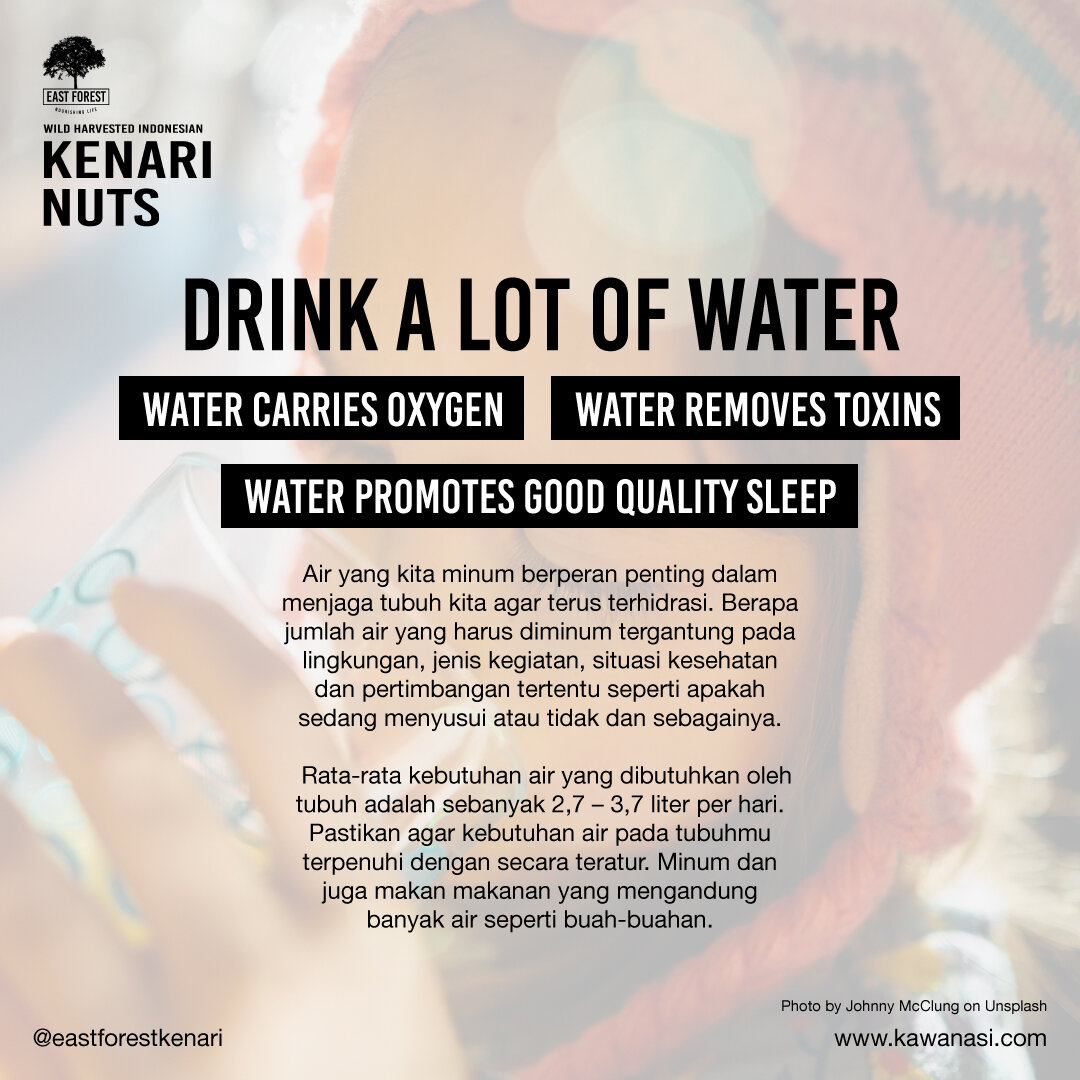
Water is essential for many normal functions in the body, including transporting nutrients and regulating body temperature.
The amount of fluid a person needs varies depending on factors such as age, activity level, climate and individual circumstances.
Rather than following a universal "one number fits everyone" rule, the practical approach is to drink regularly and pay attention to your body's needs.
Water is generally the simplest choice for staying hydrated.
3. Keep Moving
Regular physical activity is an important part of maintaining overall health.
The goal does not have to be an intense workout every day.
Walking, cycling, stretching, recreational activities, sports or other forms of movement can all contribute to a more active lifestyle.
NIH notes that regular physical activity can support physical health, reduce stress and contribute to overall wellbeing.
The most useful exercise is often the one you can keep doing consistently.
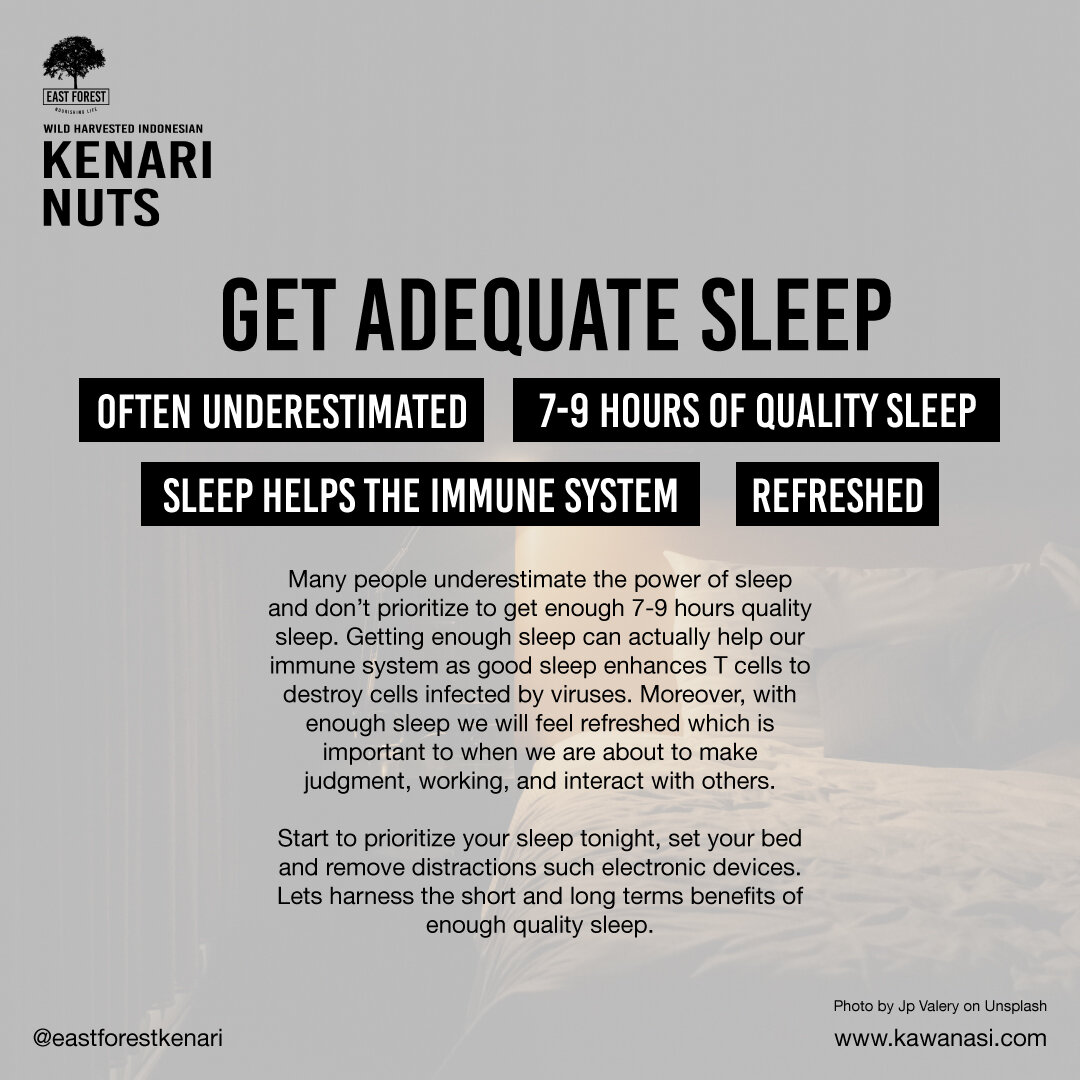
4. Get Enough Quality Sleep
Sleep is not simply time when the body switches off.
Good-quality sleep is an important part of maintaining physical and mental health.
NIH describes healthy sleep as involving sufficient duration, good quality and a consistent schedule.
Simple habits can help:
keep a reasonably consistent sleep schedule;
create a relaxing bedtime routine;
reduce stimulating activities before bed;
stay physically active during the day; and
make sleep a priority rather than something left over after everything else.
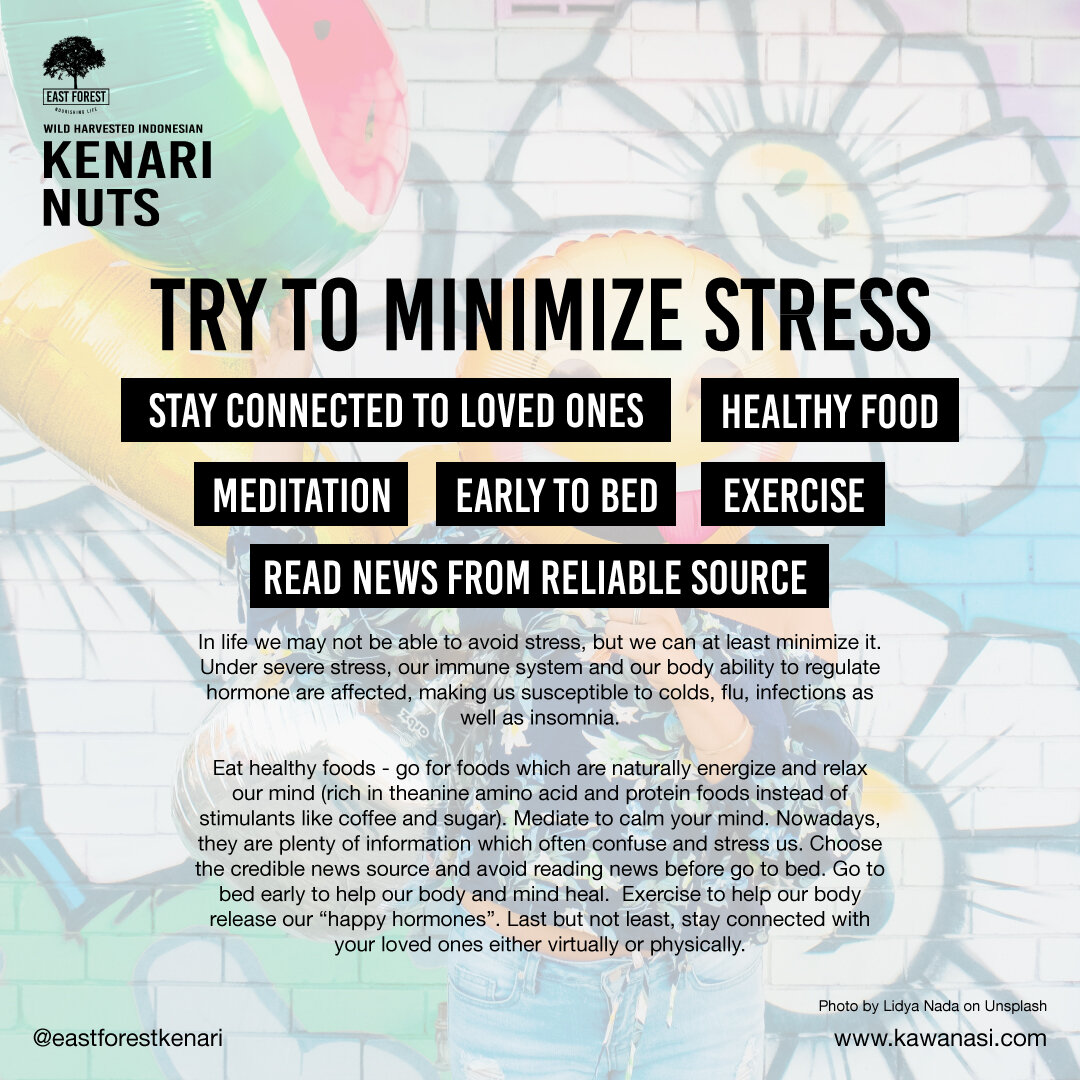
5. Manage Stress
Stress is part of everyday life, but prolonged or excessive stress can affect overall wellbeing.
Finding healthy ways to manage stress can include:
physical activity;
spending time with people you care about;
meditation or relaxation;
hobbies;
time outdoors; and
maintaining a healthy sleep routine.
There is no single method that works for everyone.
The important thing is to find sustainable ways to create periods of rest and recovery.
6. Get Appropriate Sunlight
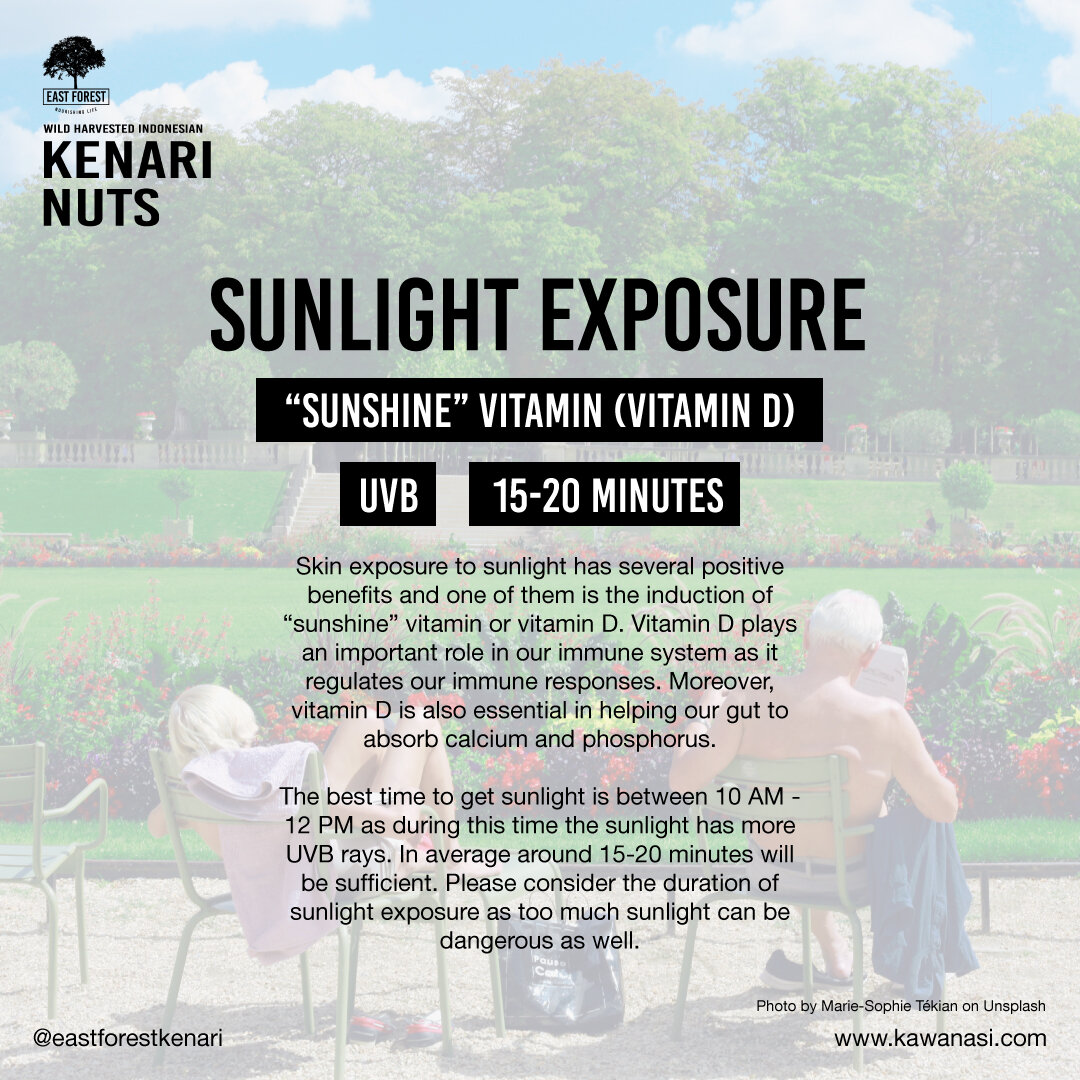
Sunlight is one natural source of vitamin D, which plays important roles in the body.
However, sunlight exposure needs to be considered in the context of skin type, location, season and individual circumstances. Excessive UV exposure can damage skin.
The goal is therefore not simply to "get as much sunlight as possible," but to balance healthy outdoor activity with appropriate sun protection.
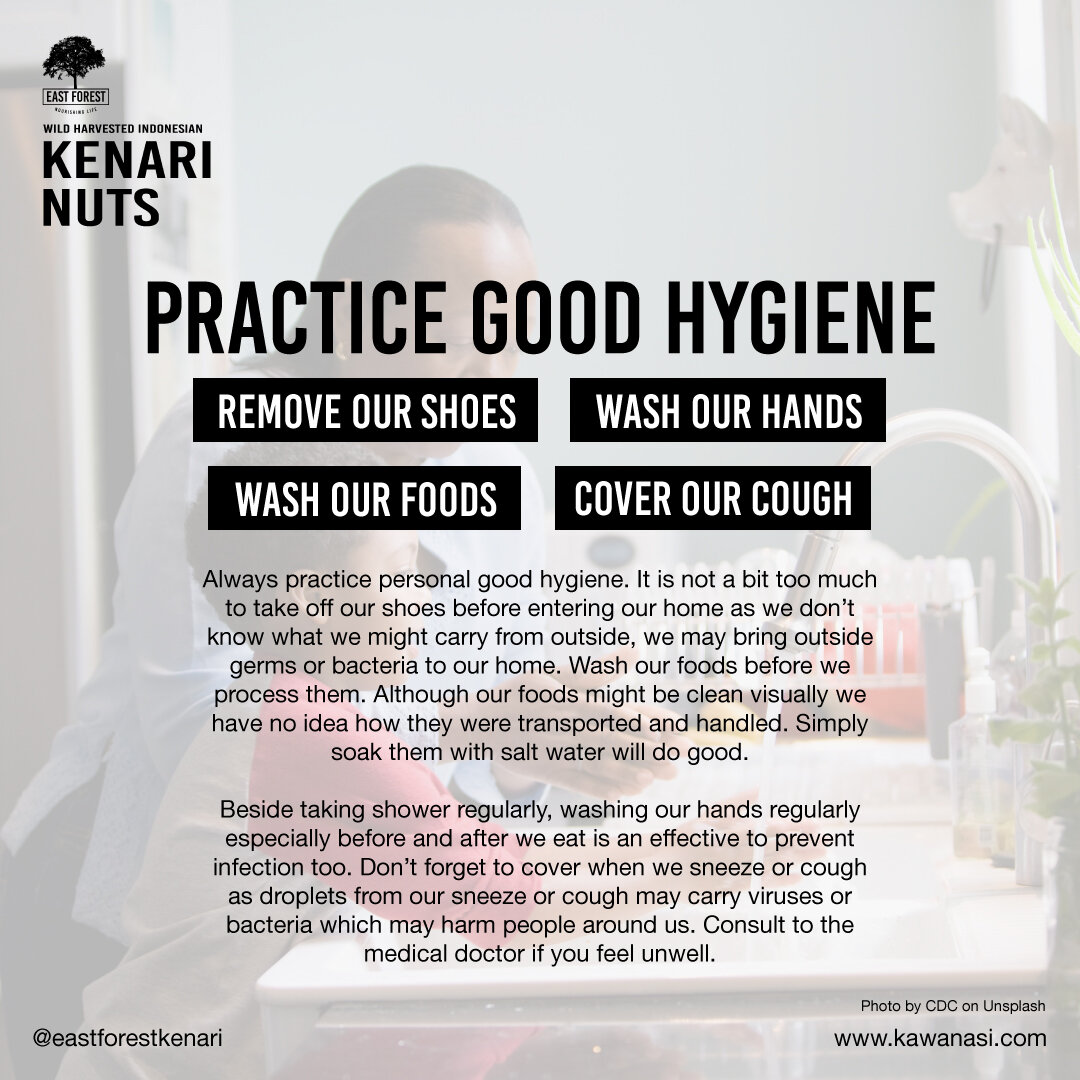
7. Practice Good Hygiene
Good hygiene remains one of the simplest ways to reduce the spread of many infections.
Everyday habits include:
washing hands regularly;
keeping food preparation areas clean;
handling food safely;
covering coughs and sneezes; and
staying home when unwell when appropriate.
WHO's food-safety guidance emphasizes basic hygiene and safe food handling practices as part of preventing foodborne illness.
There Is No Single "Immune-Boosting" Food
It's tempting to look for one ingredient that can dramatically improve immunity.
The reality is more straightforward.
Overall dietary pattern and lifestyle matter more than any single food.
WHO recommends a healthy diet based on adequacy, balance, moderation and diversity.
That means Kenari Nuts should be viewed in the same way: as one nutritious food that can contribute to a varied diet, rather than as a medicine or treatment.
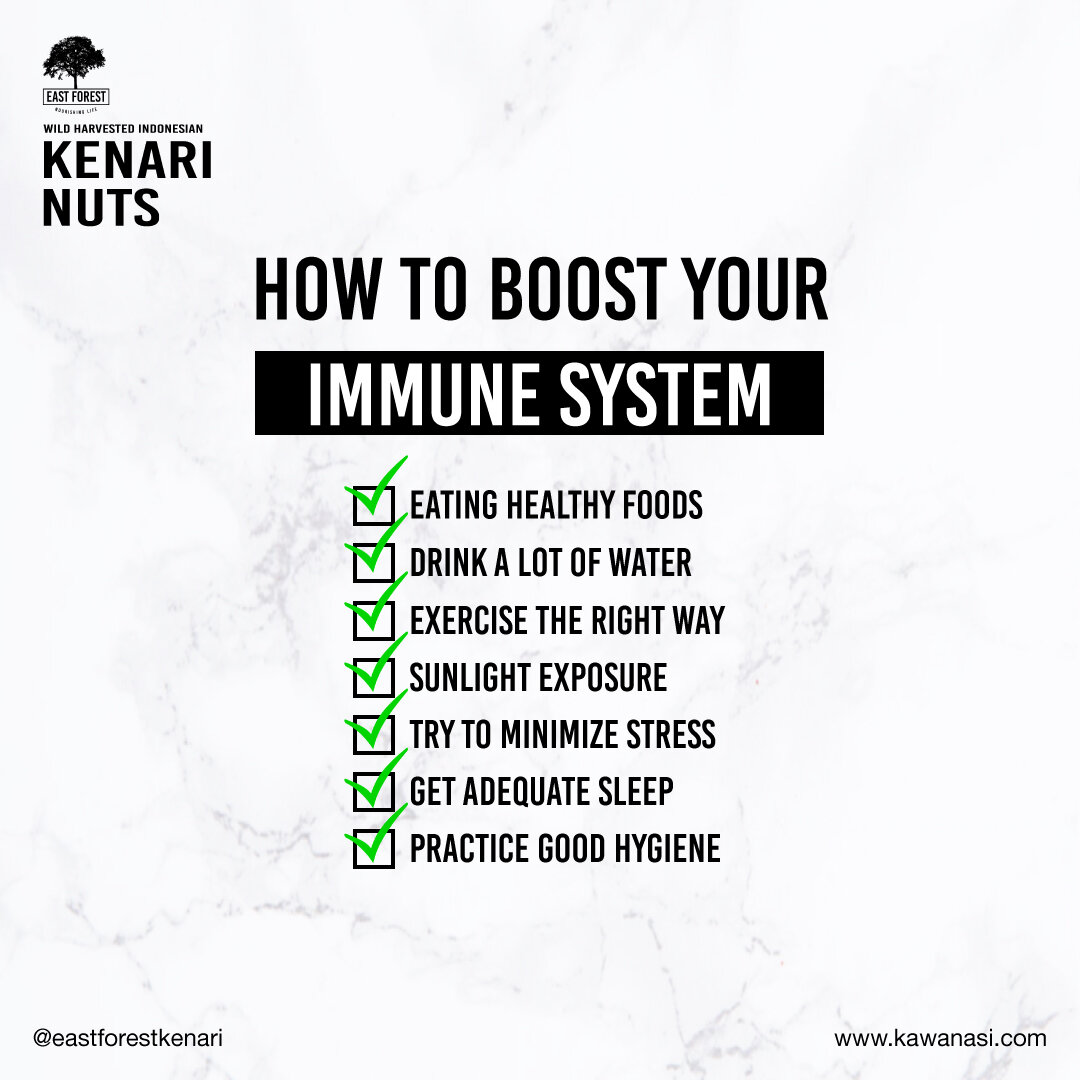
A Simple Everyday Checklist
Instead of searching for a single solution, focus on the basics:
Eat a varied diet.
Drink enough water.
Move regularly.
Prioritize quality sleep.
Manage stress.
Spend appropriate time outdoors.
Practice good hygiene.
Small habits practiced consistently can contribute to better overall health.
From the Forest to the Table
Kenari is one example of how Indonesia's forest resources can provide foods with interesting nutritional and culinary characteristics.
At Kawanasi, our work with Kenari Nuts focuses on developing this distinctive Indonesian forest nut while building quality, traceability and responsible sourcing throughout the supply chain.
A note on health information
This article provides general nutrition and wellness information and is not medical advice. Individual nutritional needs vary, and people with specific health conditions should consult an appropriate healthcare professional.